A Feature-Length AI-Generated ‘Live Action’ Movie Is Premiering at Tribeca for Some Reason

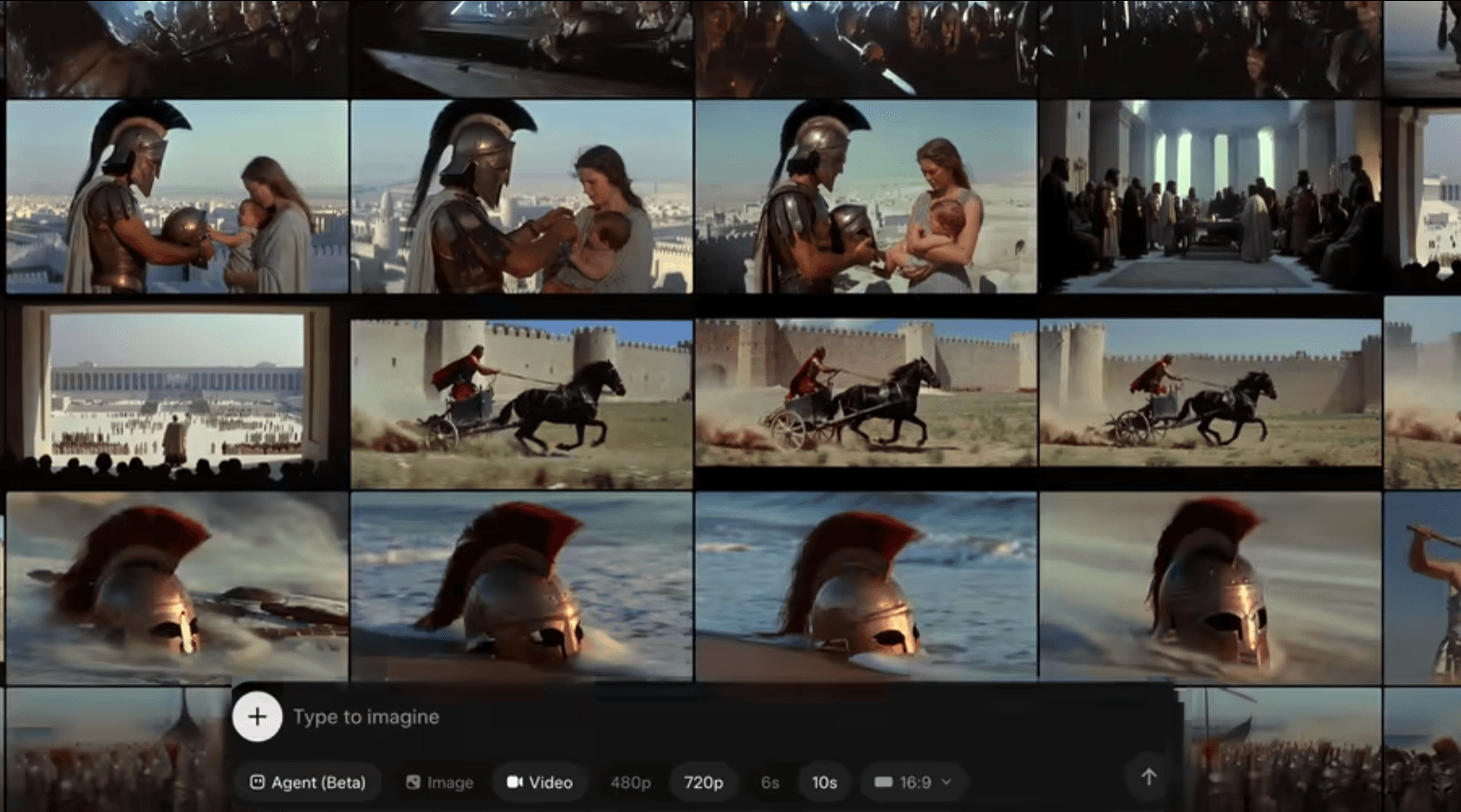
The Tribeca Film Festival, which opens next week in New York, will screen a feature-length film generated entirely using AI tools - no traditional live-action photography involved. Organizers are billing it as a world first: a full-length narrative presented in a realistic, live-action style, produced without a conventional camera or human actors on set. The film's inclusion puts one of the more respected names in independent film exhibition directly in the middle of an ongoing industry argument about where AI-generated content belongs.
The technical side of producing a feature at this length using generative video tools is not trivial. Maintaining visual consistency across characters, environments, and lighting over the course of a full runtime remains one of the harder problems in current AI video generation. Most publicly demonstrated work has stayed in the short-form range, where coherence is easier to control. A feature-length output, if it holds together narratively and visually, would represent a meaningful step in what these systems can sustain over time.
Tribeca has historically positioned itself as a home for films that push format and subject matter, so the selection is not entirely surprising. At the same time, the festival's decision has drawn skepticism from some corners of the film community, where concerns about AI-generated content displacing human creative labor are already running high. The phrasing of the title - questioning why the film is premiering there - reflects a genuine tension that the screening is likely to surface in post-show conversations and panel discussions.
What the film actually looks like, how it handles story structure, and whether audiences respond to it as a piece of cinema rather than a technical demonstration will matter more than the festival credential alone. Generative video tools have advanced enough that isolated images and short clips can be visually convincing, but sustained narrative filmmaking introduces demands around continuity and performance that current models handle unevenly. The Tribeca premiere will give critics and industry observers a concrete data point on where that capability stands today.