Google fixes several bugs in Gemini usage limits that burned through quotas too fast

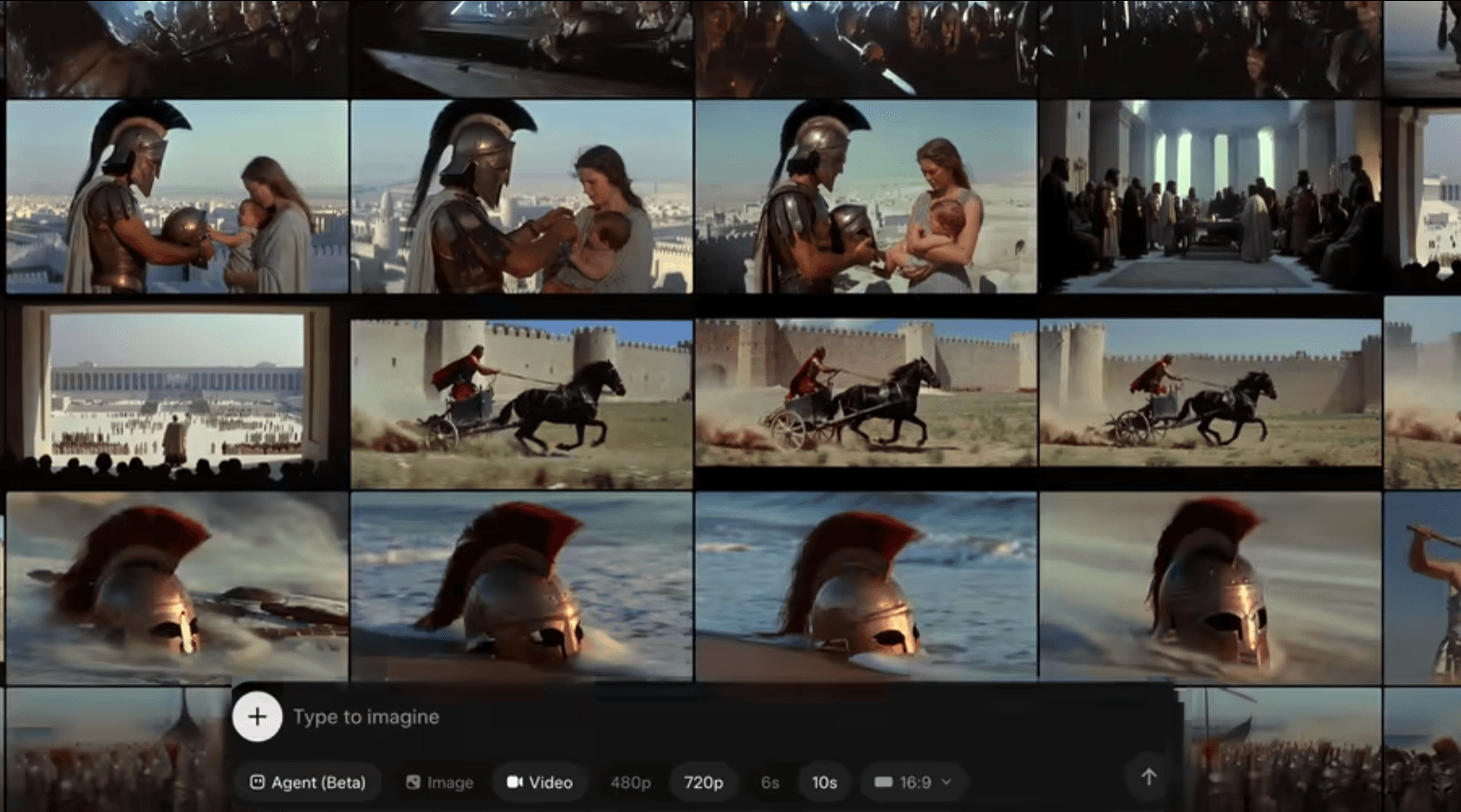
Google has addressed multiple bugs in the Gemini app that were incorrectly depleting users' monthly usage quotas far faster than intended. The most significant issue involved the Imagen-powered Omni video feature, where generating just one or two clips could exhaust an entire quota allotment - a clear sign that the cost accounting behind the scenes was miscalculated rather than reflecting actual resource consumption.
As part of the fix, Google has doubled the number of video generations available to Gemini Ultra subscribers, which suggests the original quota was already set too conservatively even before the bug compounded the problem. The company has also stopped billing users for requests that fail outright, a practice that had drawn frustration since users were losing quota credit for content they never actually received.
These kinds of quota bugs matter more than they might initially appear. As generative video becomes a more routine part of AI-assisted workflows, predictable and accurate usage tracking is necessary for users to plan their work and for Google to maintain trust in its subscription model. When quotas behave erratically, users have little basis for understanding what they can actually do within a given billing period.
Google says it also plans to introduce greater transparency around usage limits more broadly, though specifics on what that will look like have not been detailed yet. For now, the immediate fixes should give Ultra subscribers a noticeably more generous and reliable experience with Omni video generation going forward.