Google Genie 3 Turns Street View Pins Into Walkable AI-Generated Worlds
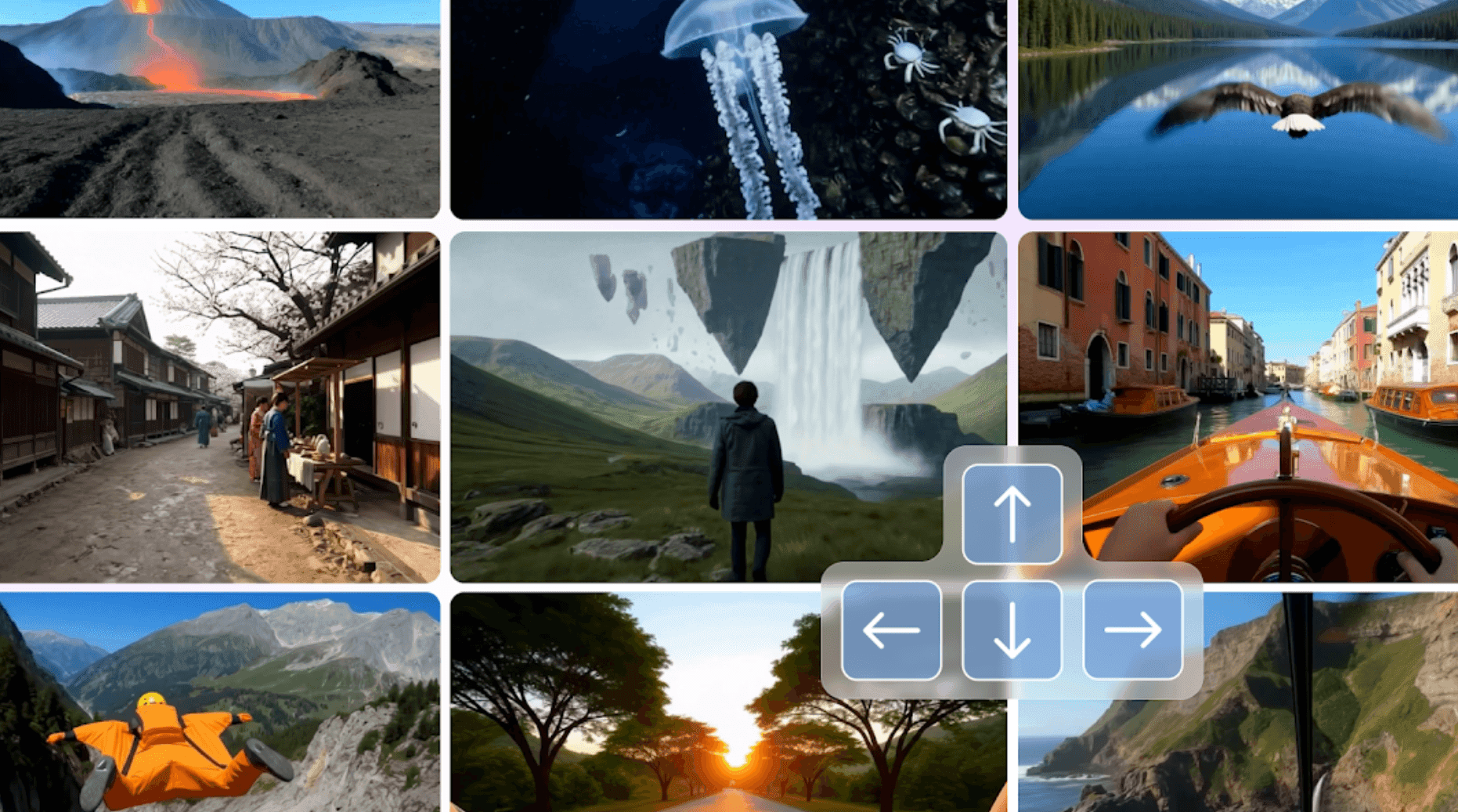
Google DeepMind has demonstrated a new application of its Genie 3 world model that uses Street View imagery as a generation source. A user selects any location on a map, and Genie 3 produces a walkable, three-dimensional environment derived from the real-world visual data at that point. The result is explorable rather than static, distinguishing it from simple image generation or photogrammetry.
Genie 3 is a world model - a class of model trained to predict how environments change in response to actions, rather than simply generating images or video. Grounding it in Street View gives it access to a corpus of real-place imagery with consistent geographic and structural properties that a purely synthetic training set would lack. For the demo use case of explorable environments, that grounding means generated worlds reflect actual urban geometry, vegetation patterns, and lighting conditions rather than stylised approximations.
The creative applications are the obvious immediate interest: location scouting, game world generation, and interactive storytelling all have clear use for a tool that can produce explorable versions of real places. But DeepMind's framing points elsewhere. World models trained on real-place data are directly useful for training AI agents and robots that need to navigate physical environments. Street View's global coverage - accumulated over more than a decade - becomes a strategic asset for that kind of embodied AI training.
The combination of a generative world model with a proprietary geographic dataset is a meaningful competitive advantage that would be difficult for smaller labs to replicate. How far Google develops the consumer-facing creative applications versus prioritising the robotics and agent training angle will shape how this technology is perceived over the next year.