Google's Circle to Search feature can tell you if an image was AI-generated
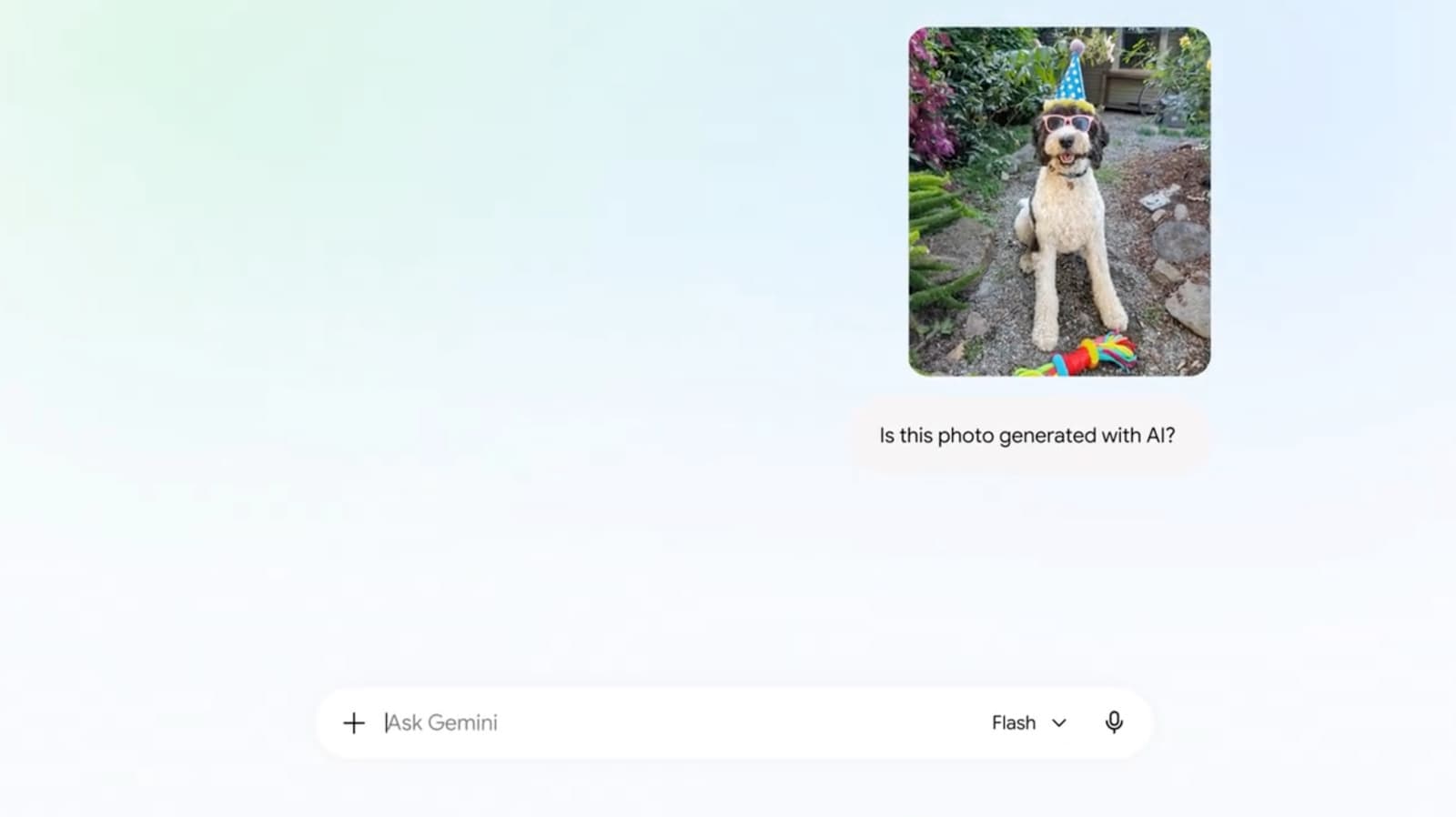
Google is bringing its AI-detecting feature to more of its products to make it easier for people to verify if something was generated or edited with AI.

Google is bringing its AI-detecting feature to more of its products to make it easier for people to verify if something was generated or edited with AI.
Twice a week: the most important stories in generative image and video AI, distilled into a 2-minute read.
Free. Unsubscribe any time. No spam, ever.
Google has introduced Dreambeans, a tool that pulls personal data from your Google account to generate AI-illustrated stories in a cartoon style. The feature represents a notable step toward using ambient personal data - photos, calendar events, and similar account content - as direct source material for generative image output. It is, by most measures, one of the more unusually named products Google has shipped.

A British MP has filed a lawsuit against xAI to establish whether the company bears legal responsibility for images generated by its Grok AI system. The case is part of a broader wave of scrutiny that includes investigations in the EU, the UK, and California. At issue is how far platform liability extends when an AI image generator produces harmful or problematic content.

Ideogram has released version 4.0 of its text-to-image model as an open-weight release, featuring native 2K resolution output, bounding box layout control, and refined text rendering. On the DesignArena leaderboard, it leads all open models, sitting just below closed systems from OpenAI and Google. Commercial use of the weights requires a paid license.