Google's Gemini Omni Brings Any-Input Video Generation to Shorts, Workspace, and Beyond

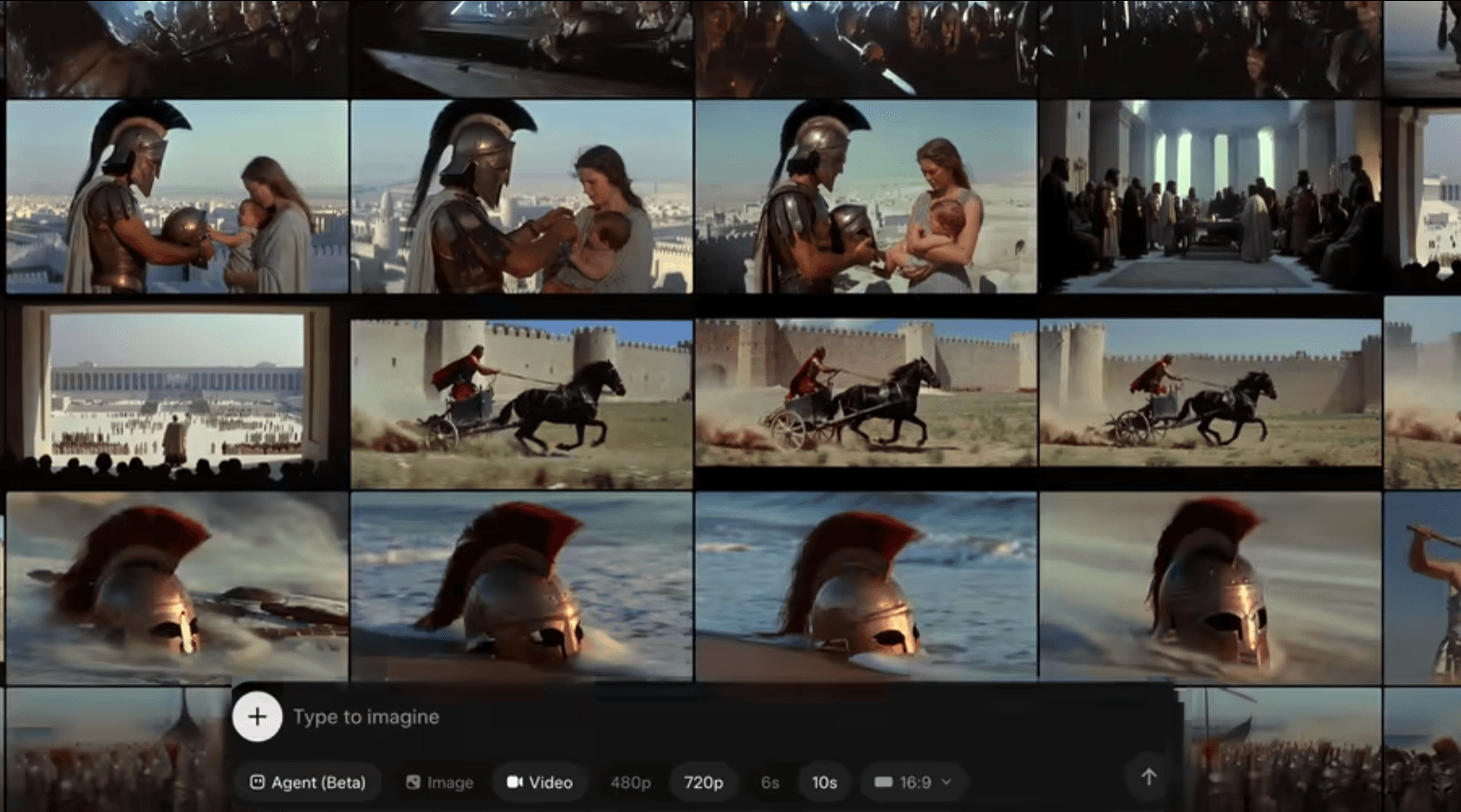
Gemini Omni Flash is Google's most capable video-focused generative model to date, announced at Google I/O 2026. It accepts any combination of text, image, audio, and video as input and produces video output, with editing handled through natural-language conversation rather than timeline-based tools. Google positions the model as having stronger grounding in physics, historical context, and spatial reasoning than prior generations, which should reduce the kind of physically implausible motion that has made AI video easy to spot.
The model is already wired into YouTube Shorts through a new Remix feature. Users can tap a remix icon beneath any Short and prompt Gemini to restyle the clip - pixel art, anime, and found-footage horror are the demonstrated examples - or insert themselves and alter actors' appearances within the scene. Creators retain control: they can disable the remix option for their own uploads, and any generated clip carries a visible AI label alongside an embedded SynthID watermark.
Beyond consumer features, Gemini Omni is being integrated into Google Workspace through a new tool called Google Pics, aimed at image creation and editing inside productivity apps. A separate Asset Studio update adds multimodal generation to Google Ads, letting advertisers produce and test creative assets without leaving the campaign dashboard. The breadth of integrations suggests Google is treating Omni less as a standalone product and more as infrastructure spread across its existing surfaces.
The Verge's hands-on testing noted that the tools for producing realistic video require less effort than many expect, which raises the usual questions about misuse alongside the genuine utility. Google's embedding of SynthID at the output level is a direct response to that concern, though how reliably the watermark survives re-encoding and platform compression remains an open question.