Hasselblad Masters Disqualifies Entry Over AI Generation

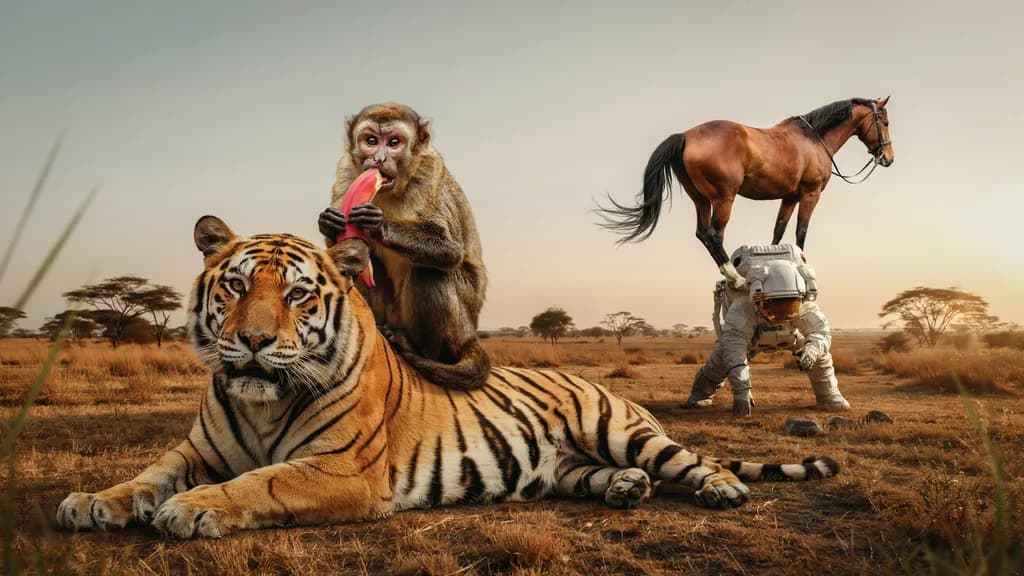
Hasselblad has removed a shortlisted entry from its Masters 2026 competition after determining that the image was produced with generative AI tools, a violation of the competition's rules. The disqualification came after members of the public raised concerns about the image, prompting organizers to investigate. The entry had already passed through initial judging rounds before the issue was identified.
The Hasselblad Masters is one of the more prominent competitions in professional photography, carrying significant weight in commercial and fine-art circles. The contest has historically celebrated work shot on Hasselblad medium-format equipment, and its rules, like those of most traditional photography competitions, prohibit the submission of AI-generated imagery. The disqualification is an embarrassment for the competition's vetting process, since the image reached the shortlist stage before outside scrutiny triggered a review.
The case follows a pattern that has become increasingly familiar. Similar disqualifications have occurred at the World Photography Organisation's Sony World Photography Awards, the Wildlife Photographer of the Year, and various regional and genre-specific contests. In several of those cases, the AI origin of an image was flagged by observers on social media or photography forums rather than detected internally by organizers, which raises questions about how well competitions are equipped to catch such submissions before public announcement.
Detection remains genuinely difficult. Automated tools for identifying AI-generated images have improved but are unreliable, particularly with hybrid workflows where a photograph is captured on a real camera and then significantly altered or composited with generated elements. Competitions largely still depend on entrant honesty through submission declarations and, increasingly, on community scrutiny after shortlists are published.
For Hasselblad and other competition organizers, the episode underlines the pressure to develop more robust review processes before results go public. Whether that means more explicit technical verification, clearer submission standards around post-processing, or some form of pre-announcement screening is an open question. Until detection methods improve substantially, the risk of a shortlisted or even winning image being retroactively disqualified remains a recurring problem for the industry.