K-pop Fans Are Calling Out Creepy Deepfakes of Idols
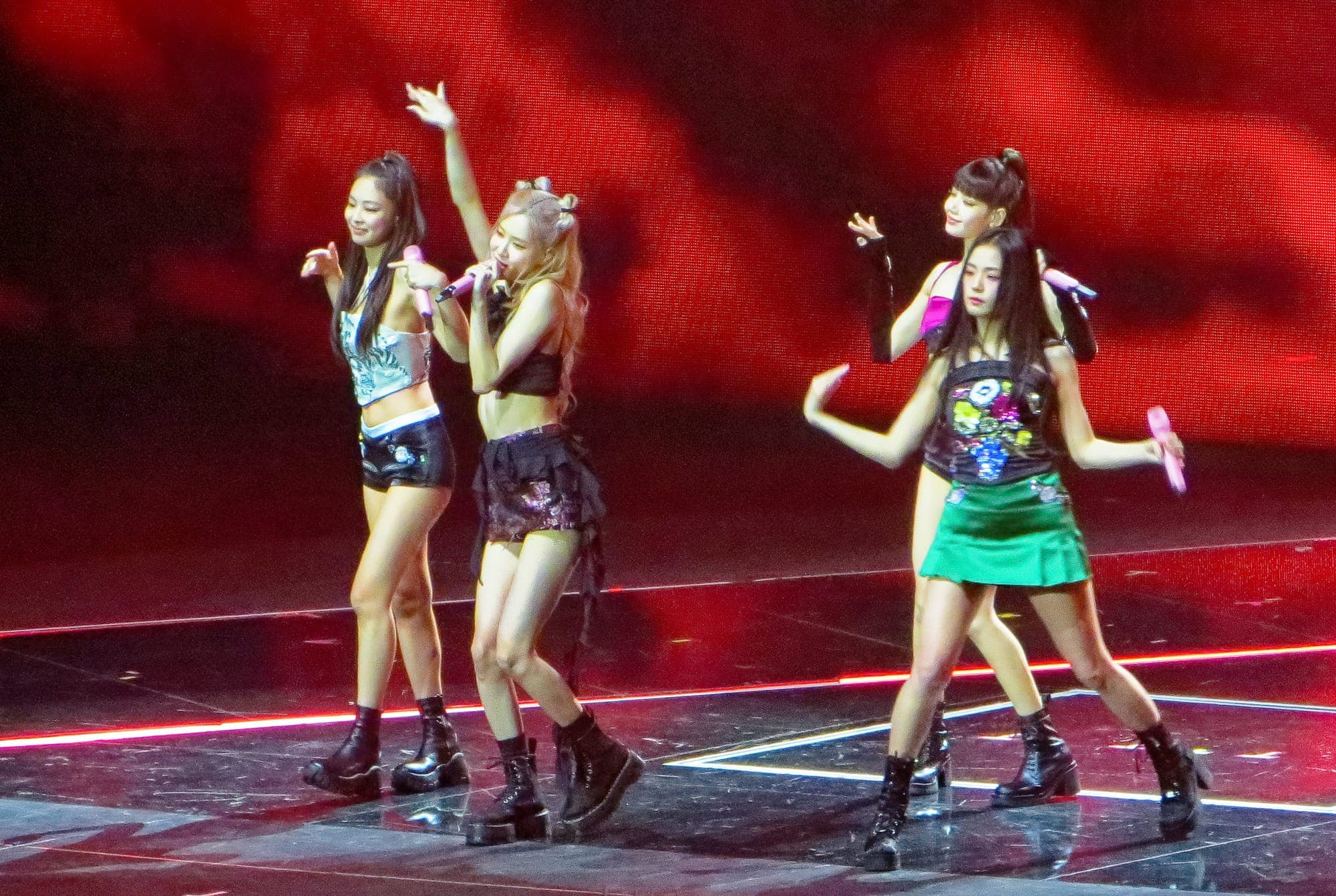
Within K-pop fan communities, a growing number of people are speaking out against the creation of AI-generated images and videos that depict idols in sexualized scenarios. The content typically uses deepfake techniques - training or prompting generative models on an idol's likeness to produce material the person never consented to. As these tools have become more accessible, the volume and realism of such content has increased noticeably.
What makes this situation somewhat distinct from other deepfake controversies is that the opposition is coming largely from inside the fanbase itself. Fans are flagging content on social platforms, compiling documentation, and in some cases directly confronting the accounts responsible. This kind of internal community policing is notable because fan spaces have historically struggled to self-regulate, particularly when the behavior in question is framed by some participants as a form of creative expression or fandom engagement.
The idols targeted are real people with public profiles, and the harm from non-consensual sexualized imagery is well established regardless of whether it is photographic or AI-generated. Several countries have moved to update laws around synthetic media to cover exactly this kind of material, though enforcement remains inconsistent, especially across borders. South Korea has been among the more active jurisdictions in addressing deepfake abuse, having strengthened relevant provisions in recent years, but the content often originates and circulates across multiple platforms and regions.
The broader pattern here is not unique to K-pop - athletes, actors, and other public figures face similar problems - but the intensity of K-pop fandom culture, combined with the youth of many idols and their highly visual public presence, makes the issue particularly acute in this space. The fan-led response, while unlikely to eliminate the problem on its own, signals that community norms can still play a meaningful role alongside platform moderation and legal frameworks in shaping what behavior is considered acceptable.