Meta kills Muse Image feature that let anyone generate AI photos of Instagram users without consent
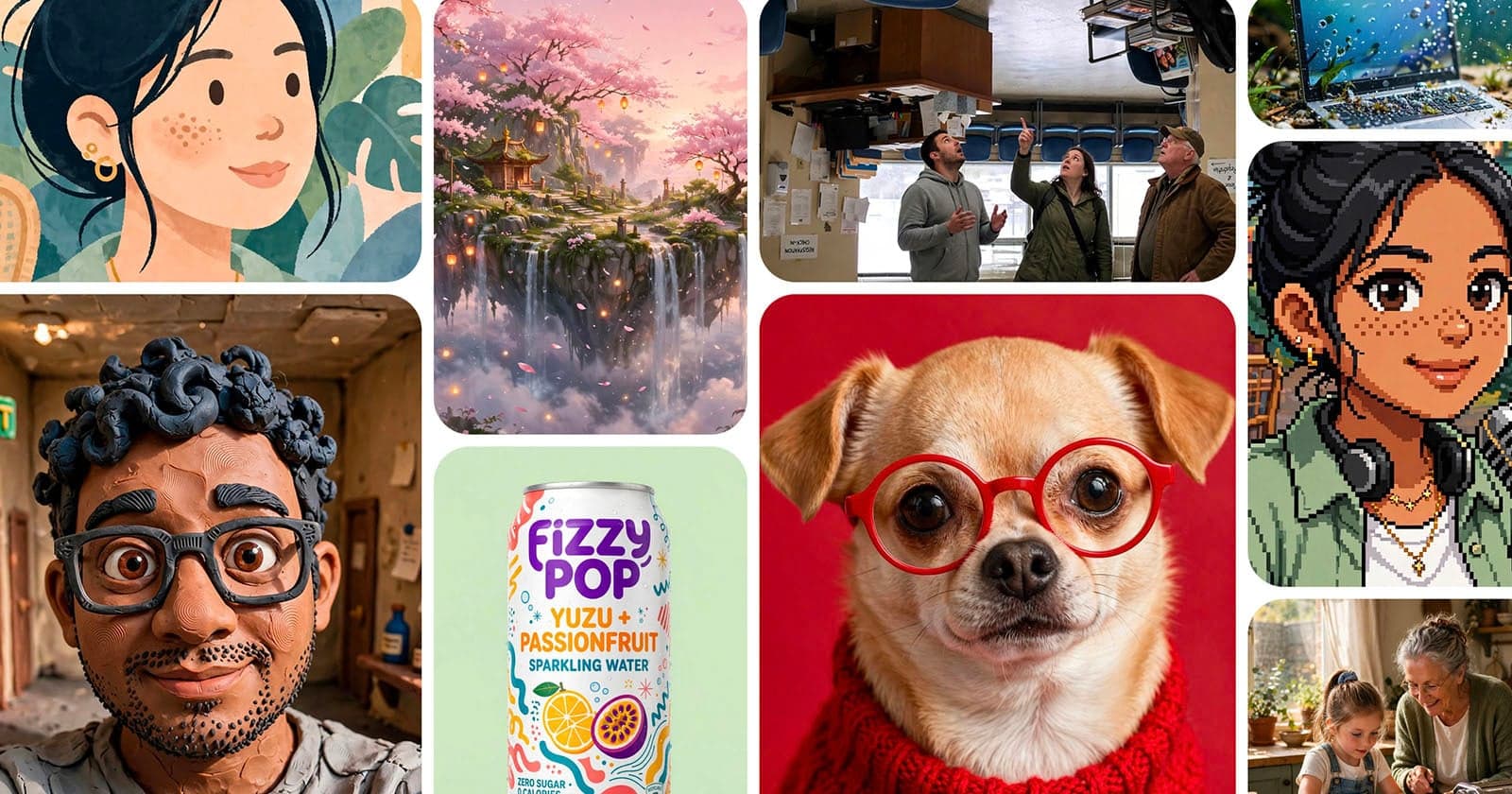
Meta recently introduced Muse Image, its latest generative image model integrated into the Instagram ecosystem. Among its launch features was the ability to generate AI photos of real Instagram users by @-mentioning their public accounts in a prompt - no permission required from the person being depicted. The feature was available to anyone, meaning a public profile was effectively all the access needed to produce synthetic images of another person.
The backlash was immediate. Critics pointed out that the feature created an obvious vector for misuse, from harassment and impersonation to the generation of misleading or harmful imagery involving real individuals. The lack of any opt-in or consent mechanism was a central point of contention, as affected users had no say in whether their likeness could be used as a generative prompt target.
Meta moved to shut the feature down within days of the announcement, with the company stating that "this feature missed the mark." The admission is notable given that consent and safeguarding concerns around AI-generated depictions of real people are well-established issues in the industry - ones that other platforms and model developers have had to navigate carefully. The speed of the reversal suggests the criticism landed harder than Meta anticipated.
The episode highlights a broader tension in deploying generative image tools within social platforms, where real identities and public profiles are abundant. Building safeguards around who can be depicted, and under what conditions, remains one of the harder design problems in this space. For Muse Image, the remaining feature set continues to roll out, but this particular capability appears to be shelved for now - with no indication from Meta of whether a consent-based version might return in the future.