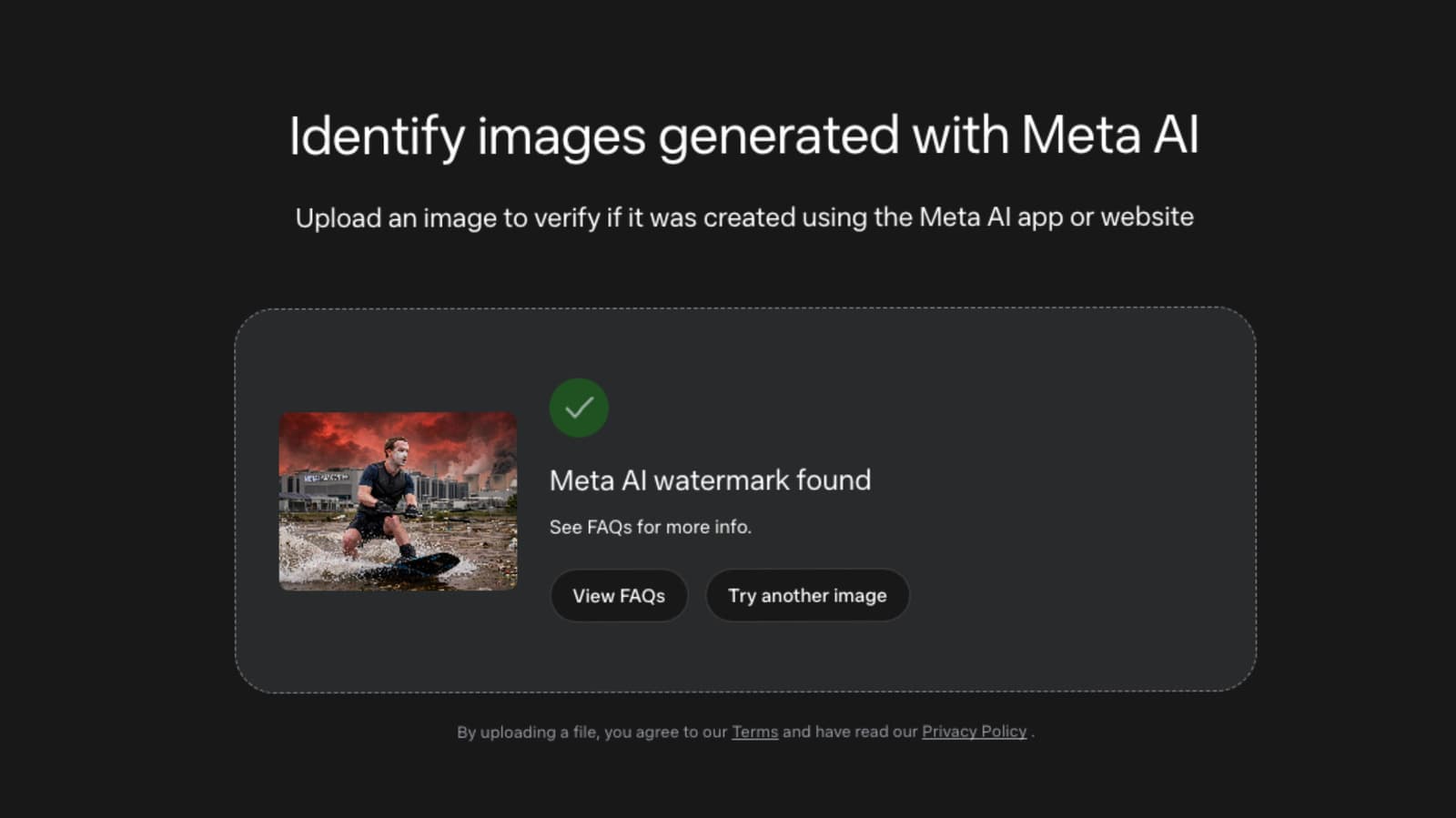
Meta launches Muse Image across its apps and previews Muse Video
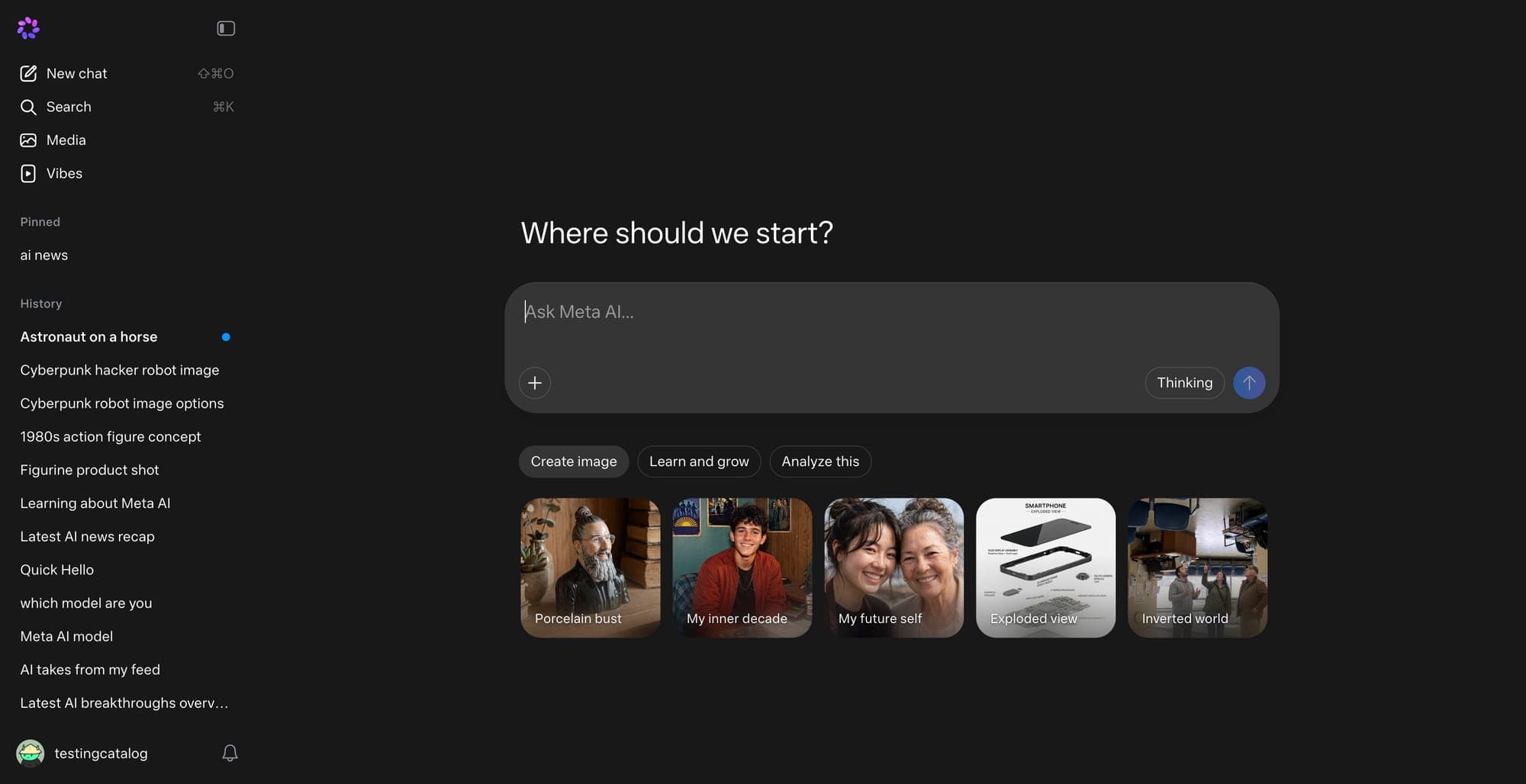
Meta has begun deploying Muse Image, its proprietary image generation model, across Meta AI-powered surfaces including Instagram Stories. The rollout makes prompt-based image creation available to the large existing user base of Meta's apps, rather than requiring users to seek out a standalone tool. It is one of the broader deployments of a natively developed image model by a major social platform.
Muse Image allows users to describe a scene or concept in text and receive a generated image in response. By embedding this functionality inside Instagram Stories and other Meta AI entry points, the company is positioning generative imagery as a casual, everyday feature rather than a specialist capability. This kind of integration - where creation happens inside the app a user is already in - lowers the barrier to use considerably compared with visiting a dedicated image generation service.
Alongside the Muse Image launch, Meta offered a preview of Muse Video, suggesting the underlying model family is being developed with video generation as a near-term target. Details on Muse Video's capabilities, resolution, clip length, and availability timeline were not fully disclosed at this stage, but the preview indicates Meta is working to keep pace with other labs and platforms that have been advancing text-to-video generation over the past year.
Meta has been building out its generative AI infrastructure steadily, with its open-weight Llama models forming the backbone of much of its AI work. Muse represents a parallel track focused specifically on visual media. As the company controls some of the world's largest social content platforms, its ability to distribute these tools at scale - and to gather feedback from millions of users quickly - gives it a distinct position in the generative image and video landscape.