Reconstructing Pelé’s “lost” goal
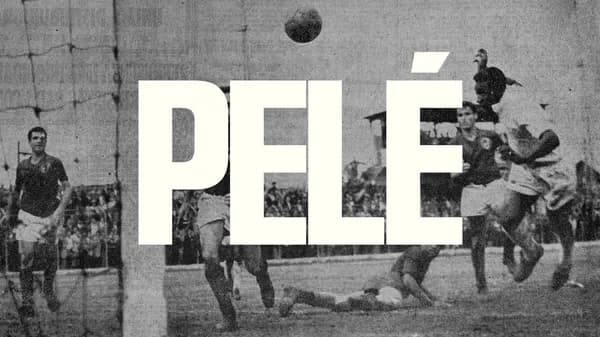
In 1959, a young Pelé scored what witnesses described as one of the most extraordinary goals of his career, at the Rua Javari stadium in São Paulo. No film of the moment exists - leaving it as one of football's most storied "lost" events. Google DeepMind has now attempted to bring it back, using generative AI technology to reconstruct the goal from historical descriptions, photographs, and contextual records of the era.
The project is presented as a mini-documentary, walking viewers through both the history of the goal and the technical process behind its reconstruction. Rather than presenting the result as a definitive record, the film frames it as an informed interpretation - a visualization of what may have happened, built from the available evidence. That honest framing matters: AI-generated historical reconstruction sits in delicate territory between creative work and factual record.
On the technical side, the reconstruction draws on DeepMind's work in generative video and image synthesis. Producing historically plausible footage requires more than visual quality - it involves matching period-accurate details such as stadium architecture, kit design, crowd density, and the physical style of play common in late-1950s Brazilian football. These constraints make the task considerably harder than open-ended video generation, and the project serves as a practical demonstration of how far the technology has come in handling specific, bounded contexts.
Beyond the football story itself, the project raises broader questions about generative AI's role in cultural memory. Sports history is full of moments that predate reliable recording technology, and AI reconstruction could become a tool for historians, archivists, and broadcasters working with fragmentary or missing records. At the same time, questions about accuracy, consent, and the distinction between reconstruction and fabrication will need ongoing attention as these techniques become more accessible.