The AI Film ‘Dreams of Violets’ Is How You Get Me to Hate Movies

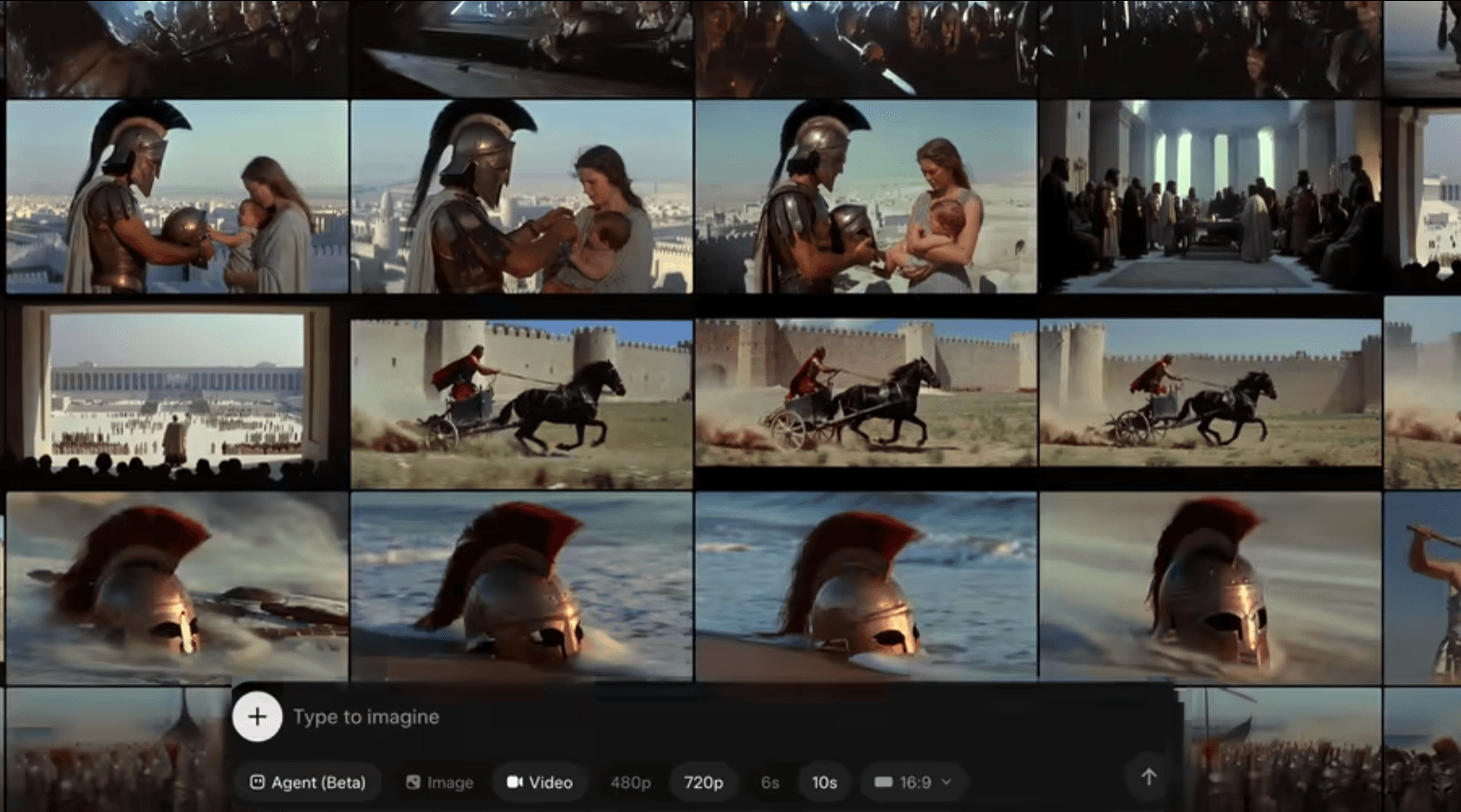
The Tribeca Film Festival's decision to accept 'Dreams of Violets,' a fully AI-generated feature film, has drawn pointed criticism from at least one corner of the photography and imaging press. A writer at PetaPixel published a response framing the acceptance not as a milestone worth celebrating, but as a sign of something going wrong in how the film world is choosing to engage with generative tools.
The critique sits within a broader ongoing debate about where AI-generated content belongs, and whether film festivals - institutions historically tied to recognizing human craft and artistic vision - are the right venue for work produced primarily by generative systems. Tribeca's decision signals that at least some major festivals are willing to treat AI-generated films as legitimate entrants rather than novelties or demonstrations.
For critics of this direction, the concern is less about the technology itself and more about what its presence in competitive or curated contexts implies. When a festival slot goes to an AI-generated film, it occupies space that might otherwise go to a filmmaker who spent years developing a project. The argument is not simply aesthetic - it touches on labor, authorship, and what audiences are actually being asked to value when they watch a film.
Proponents of AI filmmaking often point to accessibility: generative video tools can allow people without large budgets or crews to produce visual work at a scale that was previously out of reach. That is a genuine shift worth noting. But critics counter that accessibility and quality, or accessibility and artistic merit, are separate questions - and that enthusiasm for the former does not automatically answer the latter. Whether 'Dreams of Violets' itself merits festival attention on its own terms remains a separate question from whether its acceptance represents a direction audiences and filmmakers should welcome.