The AI-Generated Taylor Swift Wedding Photos Are Getting Debunked Really Quickly
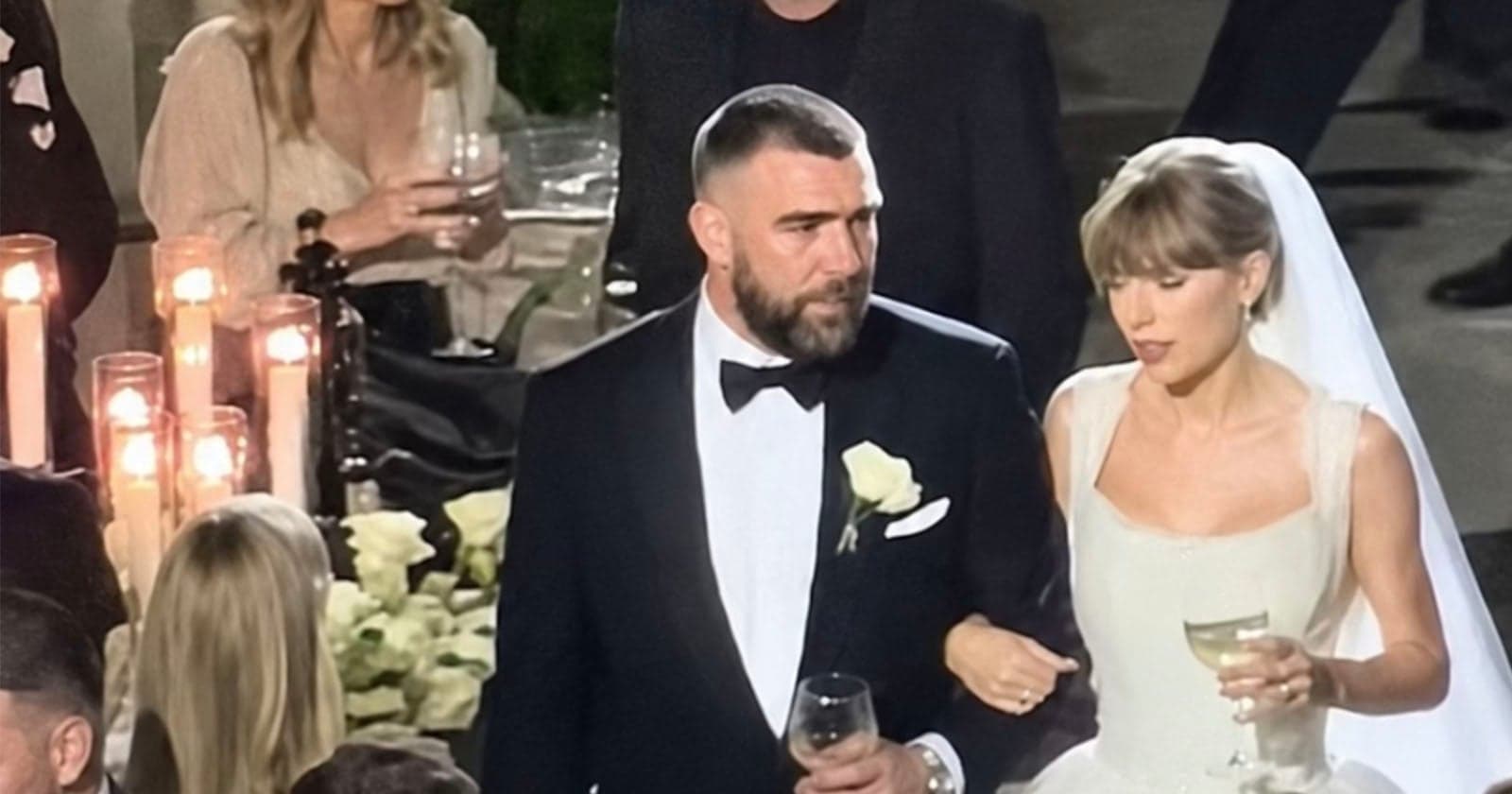
When photos purporting to show Taylor Swift's wedding surfaced online last weekend, the debunking cycle moved at an unusually fast pace. Within hours, independent fact-checkers, journalists, and ordinary users had flagged the images as AI-generated, citing telltale visual artifacts and the absence of any credible sourcing. The speed of the correction stood in contrast to earlier incidents where fabricated celebrity imagery spread widely before any meaningful pushback took hold.
The swift identification reflects a combination of factors that have matured over the past couple of years. Mainstream audiences have grown more skeptical of unverified photos attached to high-interest news events, and a growing suite of AI-detection tools - however imperfect - gives investigators a faster starting point. Media organizations have also built out verification workflows specifically designed for moments when public appetite for images outpaces the supply of real ones, a condition that celebrity weddings reliably create.
The Taylor Swift case is a useful stress test because few events generate more demand for exclusive visual content. When genuine photos are scarce or embargoed, the incentive to generate and share synthetic ones rises sharply. That dynamic has played out before with major sporting events and breaking news, but the celebrity context adds layers of fan scrutiny that can actually accelerate debunking - devoted communities often know enough about a subject's appearance and likely surroundings to spot inconsistencies that general-purpose detectors miss.
What makes this moment worth watching is the broader question it raises about the trajectory of synthetic media credibility. The tools used to generate convincing images have continued to improve, but so has the surrounding ecosystem of skepticism and verification. Whether the debunking speed seen this weekend holds up as generation quality increases - or whether it was partly a function of this particular event's intense scrutiny - will say a lot about where the balance between creation and detection is actually headed.