The Myth of Intent in Photography
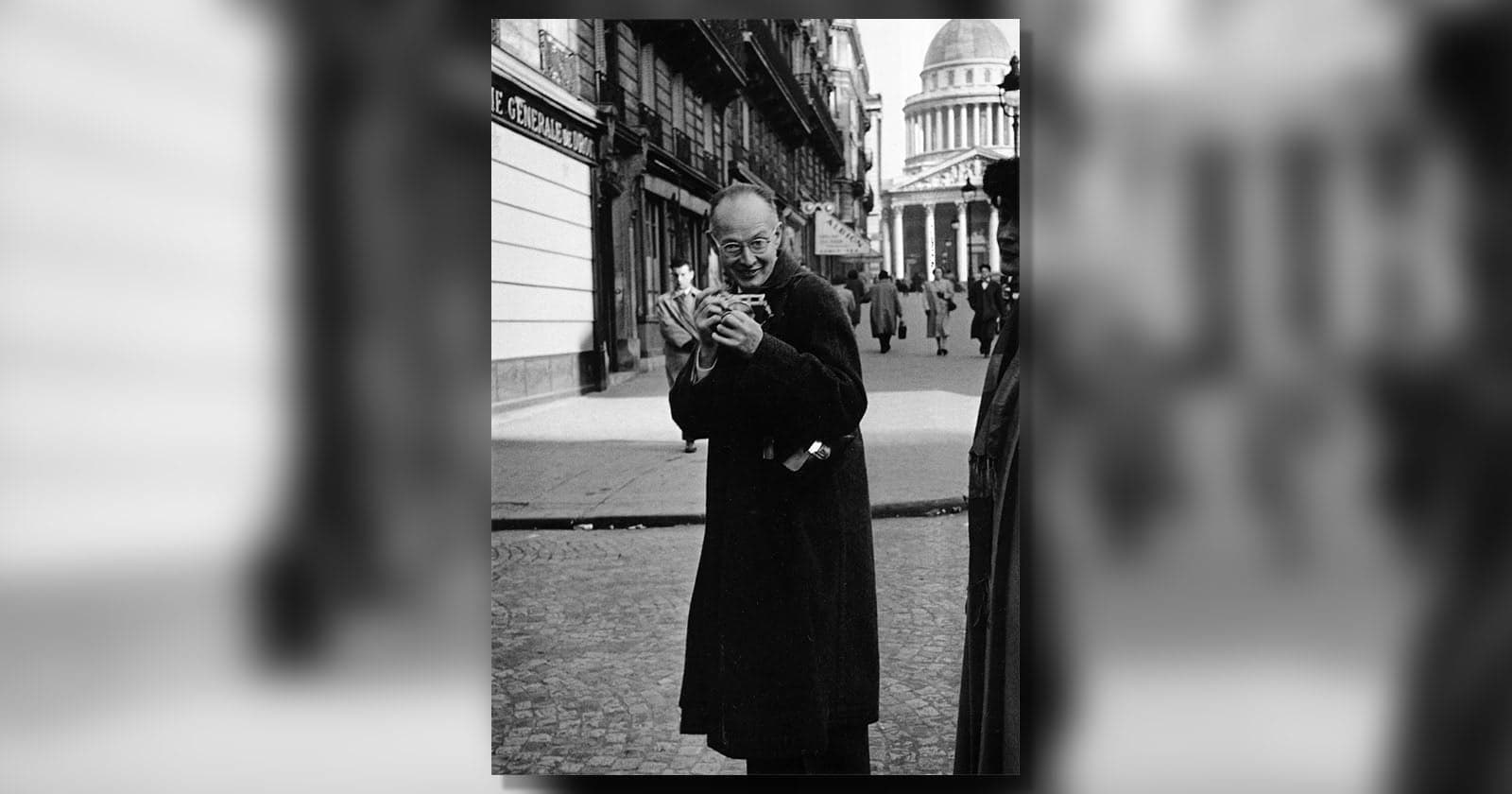
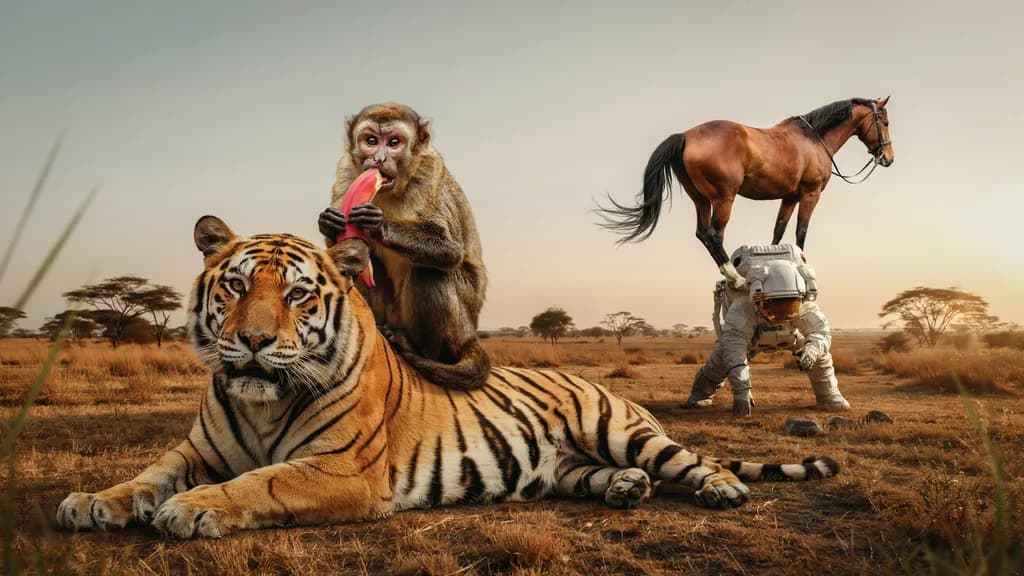
Photography has long grounded its claim to truth in the idea that a camera records something real - a moment, a place, a person that existed in front of a lens. That foundation is now under serious pressure. AI-generated images have reached a level of visual fidelity where even experienced photo editors, competition judges, and working photographers cannot consistently separate them from camera-made work. The gap that once felt obvious has effectively closed.
The concept of intent is often floated as a way through this problem. If the person behind the image intended to document reality, the argument goes, it counts as photography regardless of the tool used. But intent is private and unverifiable. A photographer can claim documentary purpose for a fully synthetic image, and there is currently no reliable technical method to prove otherwise. Metadata can be stripped or fabricated, and AI detection tools remain inconsistent enough that they cannot be used as definitive proof in editorial or competitive contexts.
This matters practically for photo competitions, which have scrambled to write AI policies without a clear enforcement mechanism. It also affects photojournalism, where the credibility of an image directly influences how audiences understand world events. Several high-profile cases in recent years - where awarded or widely circulated images turned out to be AI-generated or heavily manipulated - have added urgency to the debate without producing consensus on where exactly the line should sit.
What the current moment may be revealing is that photography's authority was never purely about the camera itself, but about a set of social agreements that audiences made with image-makers. Those agreements assumed a degree of friction between the world and its representation - that producing a convincing fake required enough effort to limit the scale of deception. Generative AI removes that friction almost entirely. The field is now working out whether intent, process, disclosure, or some combination of factors will replace the shutter click as the thing that defines a photograph, and whether any definition will hold when the tools keep advancing.